How to Integrate AI Into a Real Product
A product engineering framework for choosing AI use cases, grounding outputs, evaluating quality and operating AI features reliably.

OrScale Editorial Team
Product engineering · AI · Automation

Start with a decision or task, not a model
“Add AI” is not a product requirement. Identify a user task that is slow, ambiguous or language-heavy and define the improvement you expect. Good candidates include summarizing known information, drafting within a controlled context, classifying inbound work or helping users navigate complex data.
Specify the acceptable error. A creative suggestion can tolerate variation; a financial decision cannot. This determines whether the feature should advise a person, require approval or avoid generative behavior entirely.
Design the system around the model
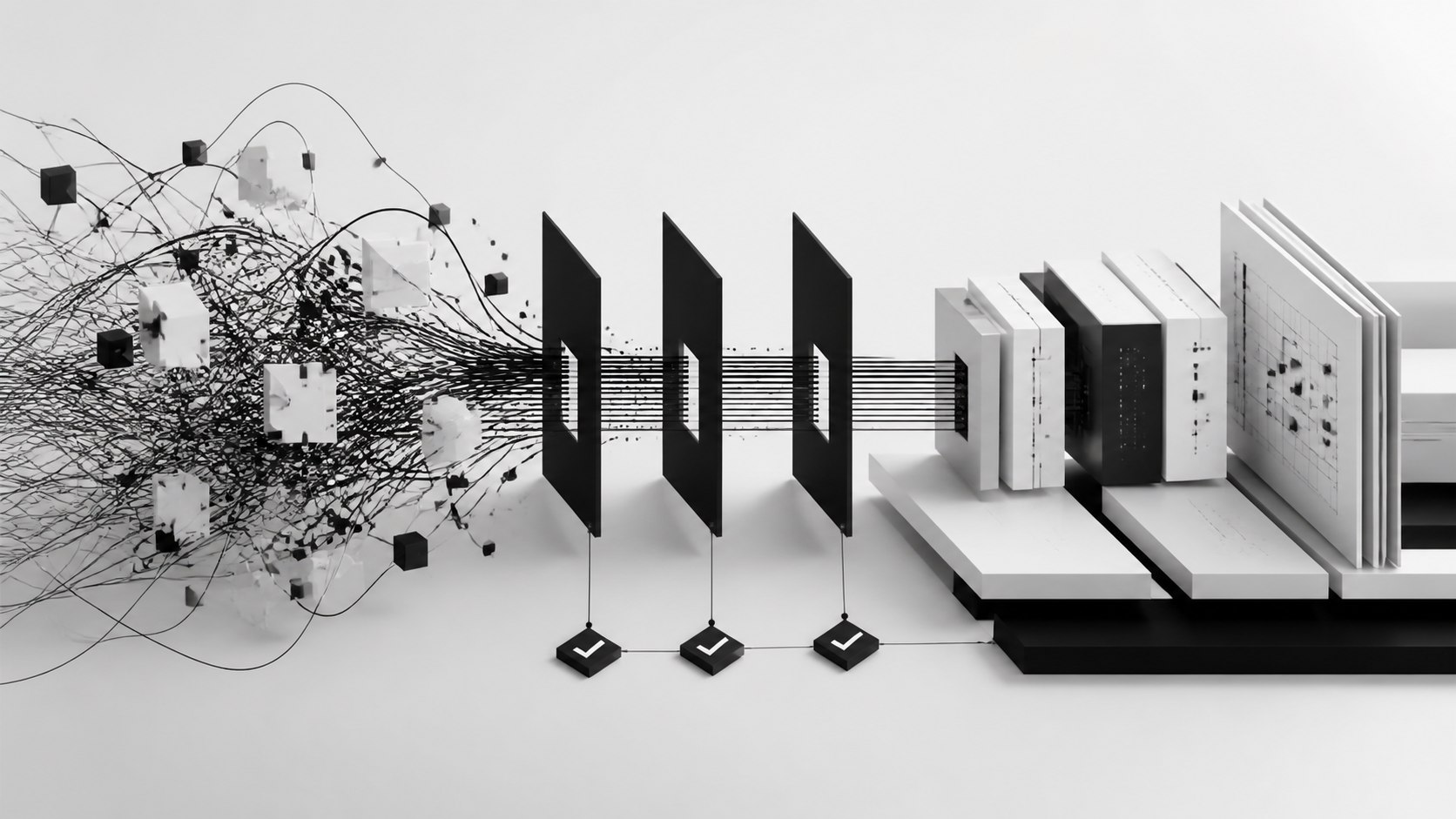
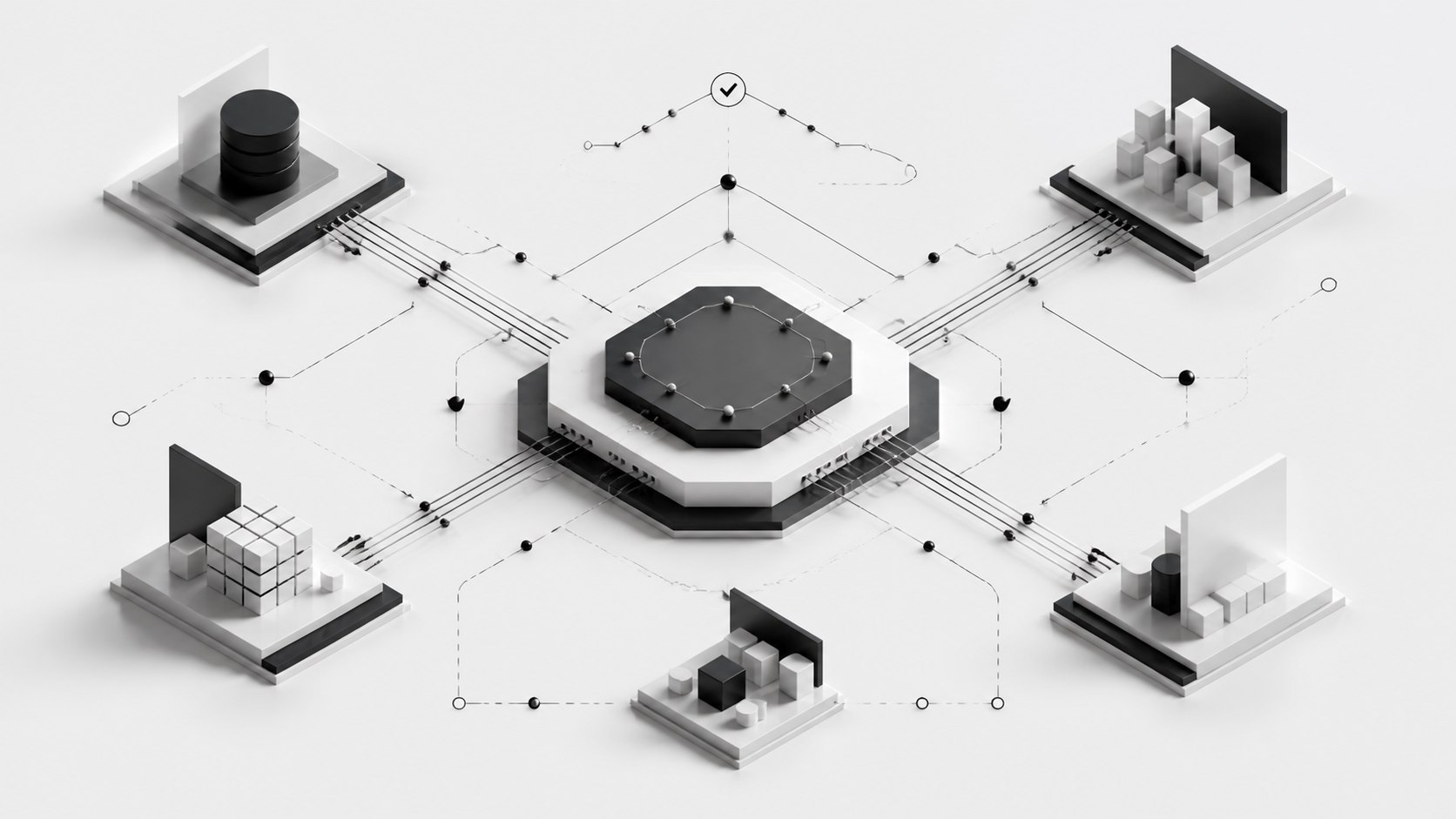
The model is one component. The surrounding system retrieves trusted context, enforces permissions, constructs instructions, validates output and records what happened. Tool calls should expose narrow capabilities rather than broad access to internal systems.
- Keep private data scoped to the requesting user and task.
- Ground answers in current, authoritative product information.
- Validate structured outputs before they reach downstream systems.
- Require confirmation before irreversible or costly actions.
- Provide a clear non-AI fallback when the model is unavailable.
Build evaluation before broad rollout
Collect representative examples, including difficult and adversarial cases, and define what a good result means. Automated checks can validate format, citations and prohibited content; human review is still useful for relevance and tone. Track quality by task segment rather than one average score.
Model or prompt changes should run against the same evaluation set before release. Without this baseline, teams discover regressions from customer complaints.
Operate AI as a changing dependency
Monitor latency, cost, model errors, fallback rate and user correction. Store enough context to investigate failures while respecting privacy and retention requirements. Version prompts, tools and model settings so outcomes can be reproduced.
A successful AI feature is not the one with the most impressive demo. It is the one users trust because its role, limits and recovery paths are clear.
Frequently asked questions
Questions about ai product engineering
Which product features are good candidates for AI?
Language-heavy, repetitive or ambiguous tasks with measurable user value are strong candidates, especially when a person can review the result or the system can verify it.
How do you reduce AI hallucinations?
Ground the model in trusted context, narrow the task, require citations when appropriate, validate outputs and provide an explicit fallback when evidence is insufficient.
What should an AI feature monitor in production?
Monitor task quality, user corrections, latency, cost, model and tool errors, safety events and fallback rate. Version the inputs needed to investigate changes over time.