How to Turn AI-Generated Code Into Production Software
Learn how to assess, harden and maintain an AI-generated codebase before real customers and business operations depend on it.

OrScale Editorial Team
Product engineering · AI · Automation
A working demo is not a production system
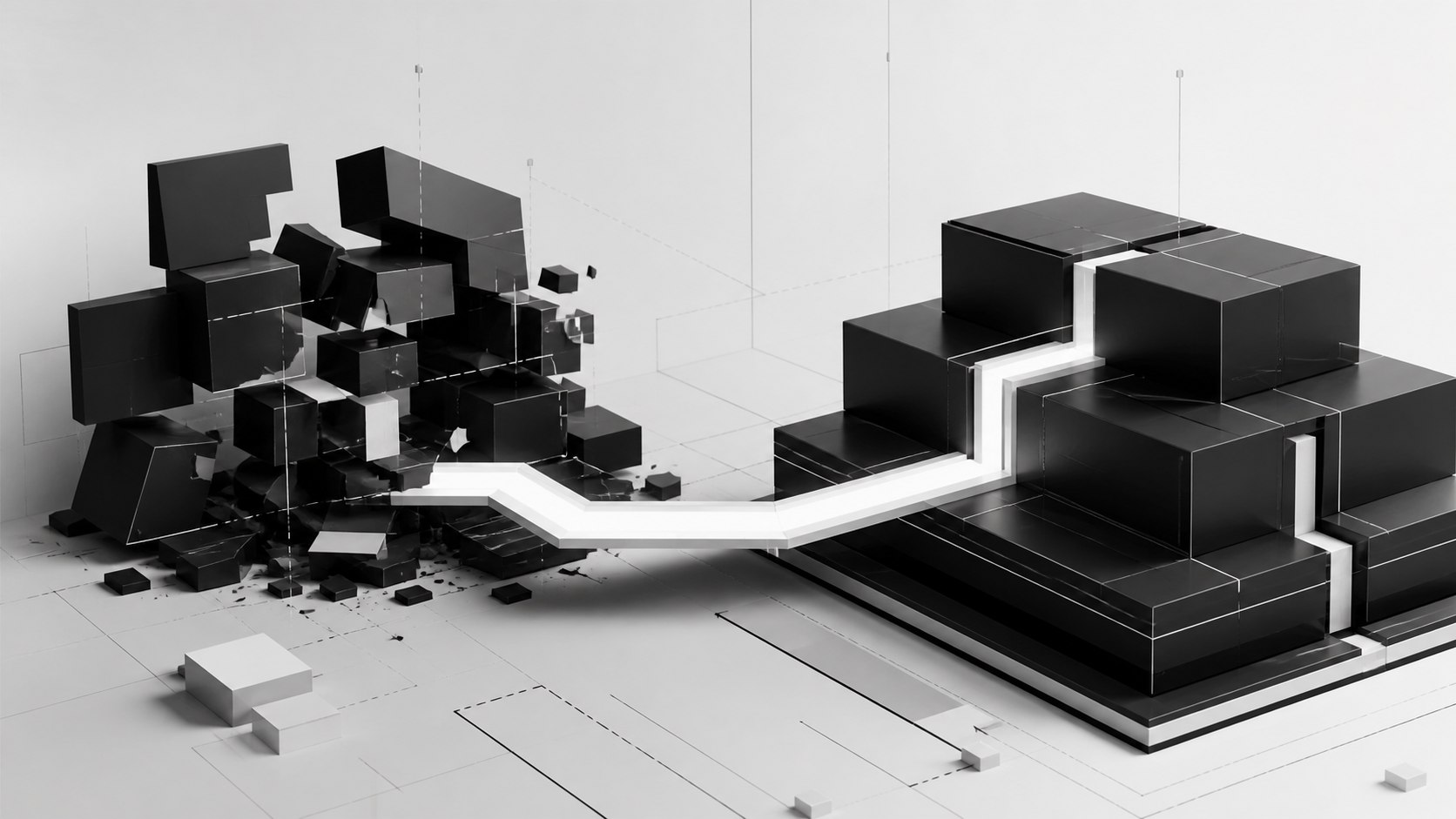
AI tools are excellent at creating a visible result quickly. They can assemble interfaces, endpoints and integrations that appear complete during a happy-path demo. Production introduces a different standard: concurrent users, partial failures, malicious input, migrations, support cases and changes made months later.
The risk is not that generated code is inherently bad. The risk is unverified code whose assumptions are invisible. Similar functions may be implemented in different ways, permissions may be checked only in the interface, or database changes may work once but fail during rollback.
Create an ownership map before refactoring
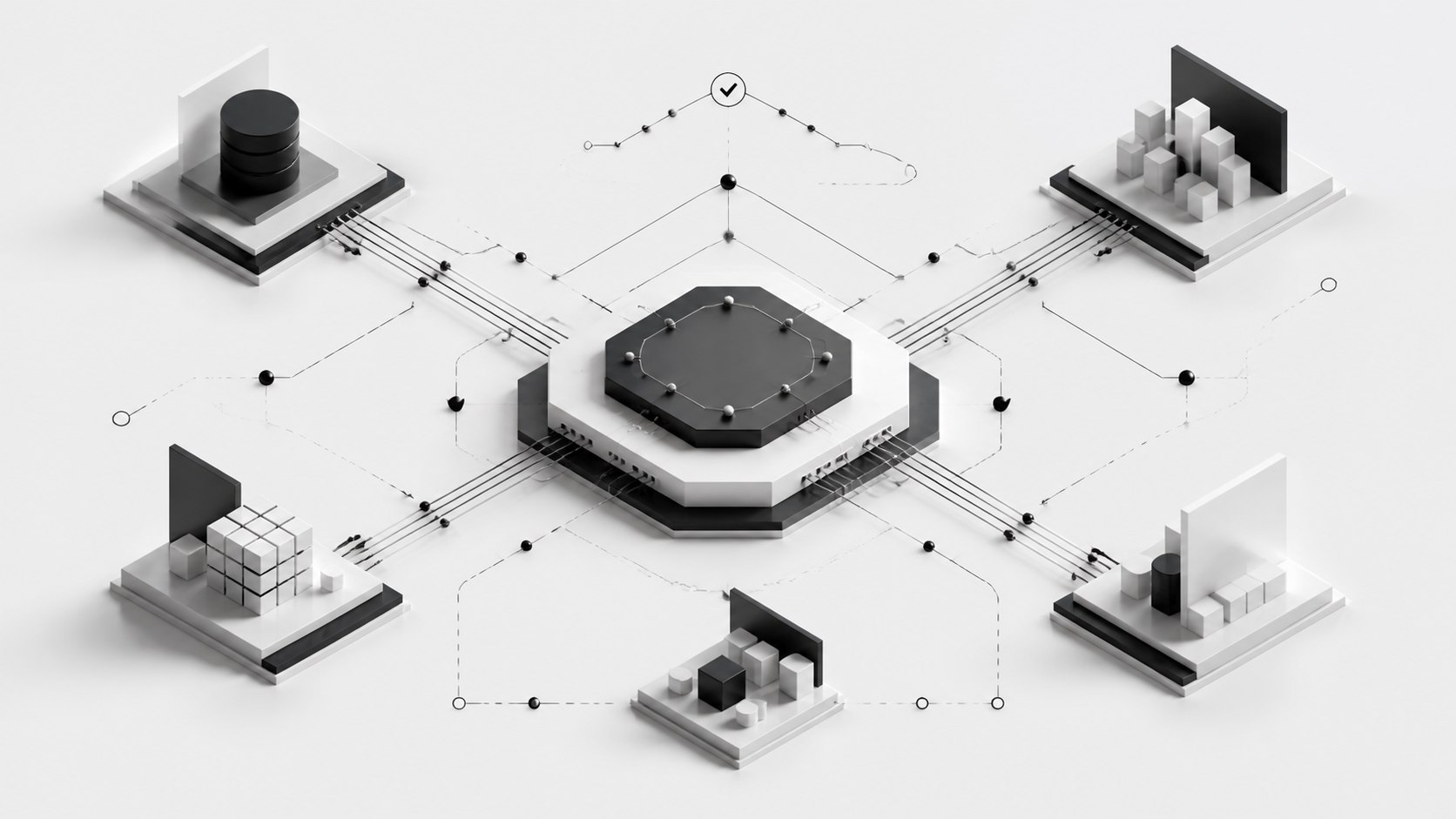
Begin by mapping the product rather than formatting every file. Identify the entry points, data model, authentication boundary, external services, background jobs and deployment environment. Then connect each business-critical journey to the modules responsible for it.
This map reveals duplicated logic and missing boundaries. It also prevents a common mistake: rewriting large areas that look untidy while leaving the actual security or data risks untouched.
- Trace authorization on the server, not only in visible components.
- Review secret handling and ensure credentials never reach the browser.
- Check database constraints, migrations and destructive operations.
- Document third-party APIs, rate limits, retries and failure behavior.
- Remove unused generated dependencies and conflicting abstractions.
Add tests where failure is expensive
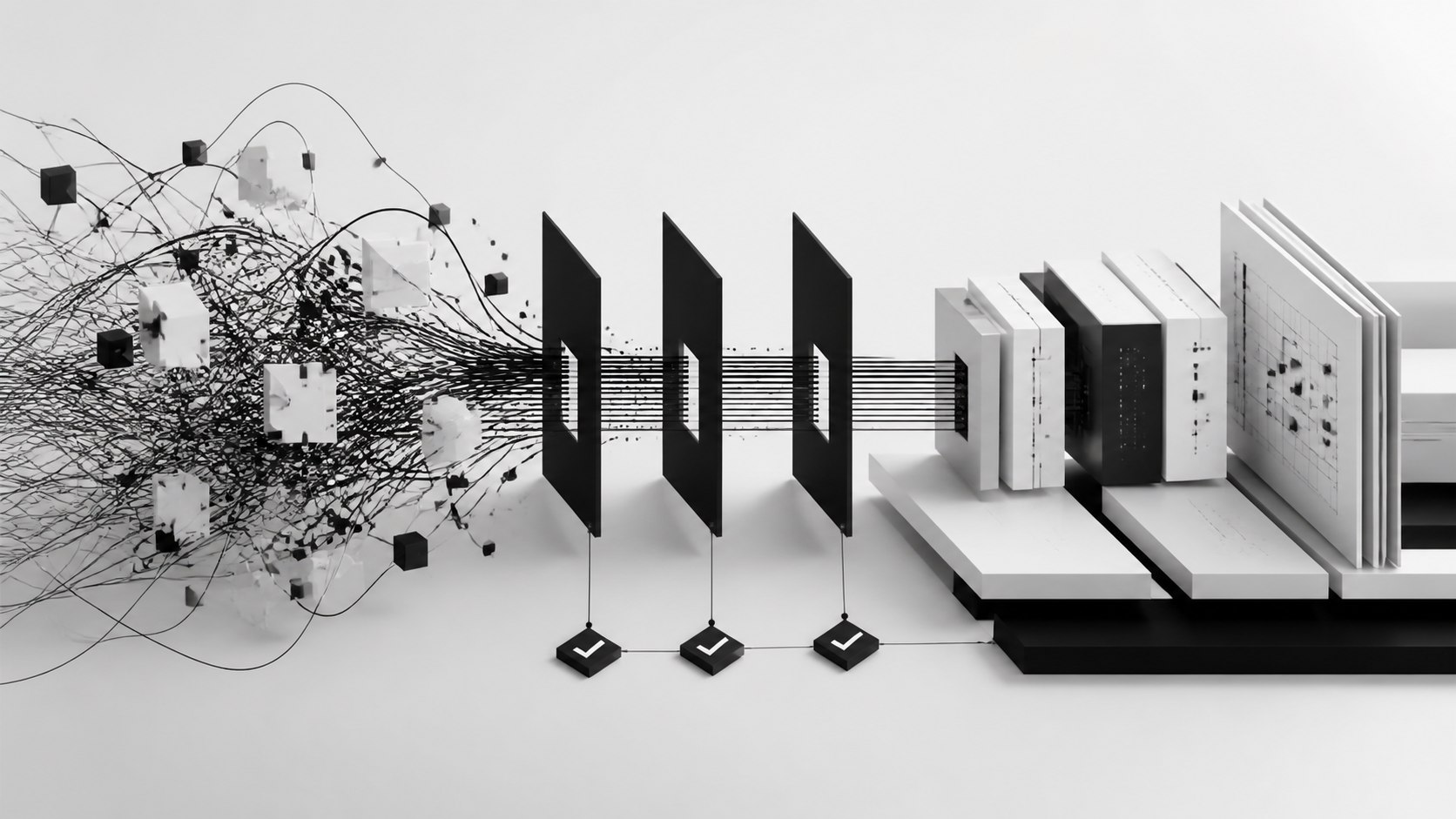
Test coverage should follow risk. Start with authentication, billing, permissions, state transitions and any operation that changes or deletes data. A small number of realistic integration tests provides more confidence than hundreds of shallow tests that only confirm implementation details.
Static typing, linting and schema validation are useful guardrails, but they do not prove the product behaves correctly. Combine them with tests that exercise real boundaries and a staging environment that mirrors production settings closely enough to reveal deployment problems.
Keep AI in the workflow, with review gates
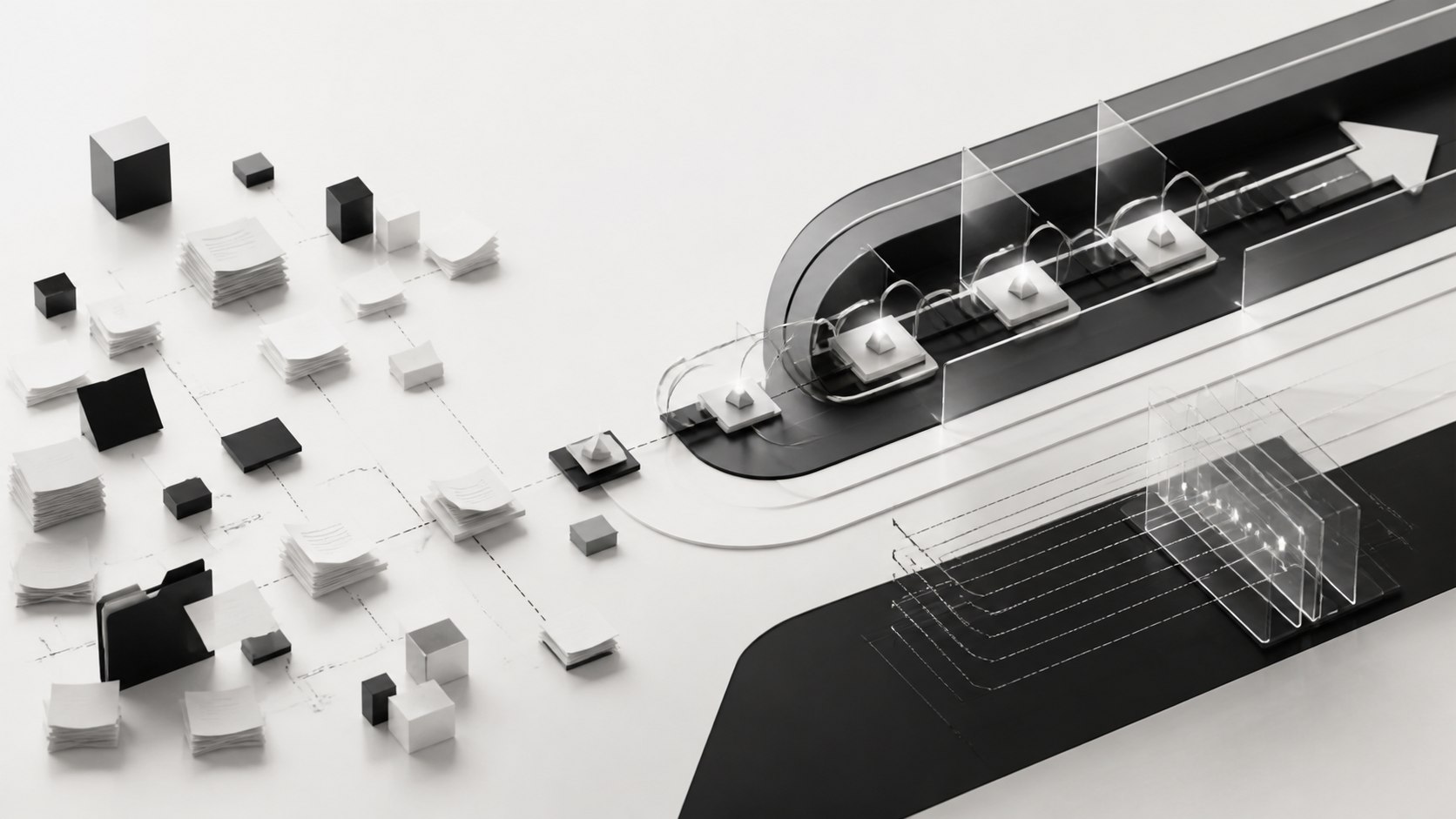
Hardening generated code does not mean abandoning AI-assisted development. It means changing the workflow. Ask AI to work within documented patterns, generate focused changes, explain assumptions and propose tests. Engineers still review the resulting behavior, architecture and operational impact.
The durable asset is not the generated code itself. It is a system that a team can understand, deploy and improve repeatedly. Production readiness begins when someone can answer who owns each critical decision and how the system fails safely.
Frequently asked questions
Questions about ai engineering
Is AI-generated code safe for production?
It can be, but only after the same security, architecture, testing and operational review expected of any production code. The source of the code does not remove the need to validate its behavior.
What is the biggest risk in AI-generated applications?
The biggest risk is hidden inconsistency: code can look plausible while permissions, data rules or failure handling differ across features. Mapping boundaries and testing critical journeys exposes those inconsistencies.
Do we need to rewrite a generated codebase?
Usually not. Stabilize the critical paths first, then replace weak areas selectively. A full rewrite should be based on measurable constraints rather than discomfort with how the code was produced.