How to Rescue a Stuck SaaS Product
A practical framework for assessing, stabilizing and shipping a half-built or unreliable SaaS product without starting over blindly.

OrScale Editorial Team
Product engineering · AI · Automation

Why SaaS products get stuck
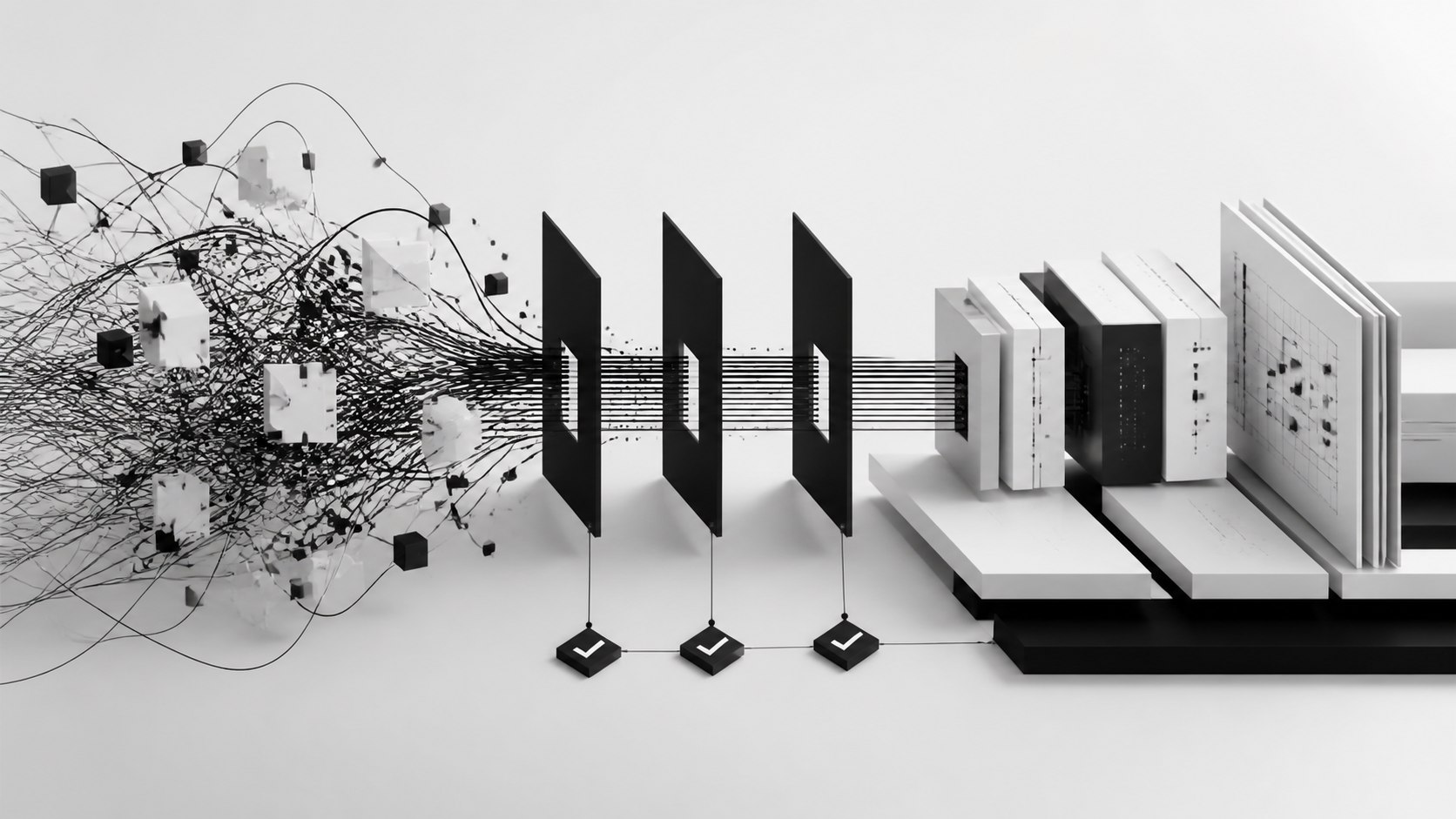
A product usually stalls because uncertainty has accumulated faster than the team can resolve it. The code may be partially generated, several developers may have worked without a shared architecture, or important decisions may exist only in chat history. The visible bugs are symptoms; the deeper problem is that nobody can confidently predict what a change will break.
Starting over can feel attractive, but a rewrite discards working knowledge and creates a second unfinished system unless the underlying product and delivery problems are addressed. The first objective is therefore clarity: identify which parts are valuable, which are dangerous and which are simply unfinished.
Begin with a time-boxed rescue assessment
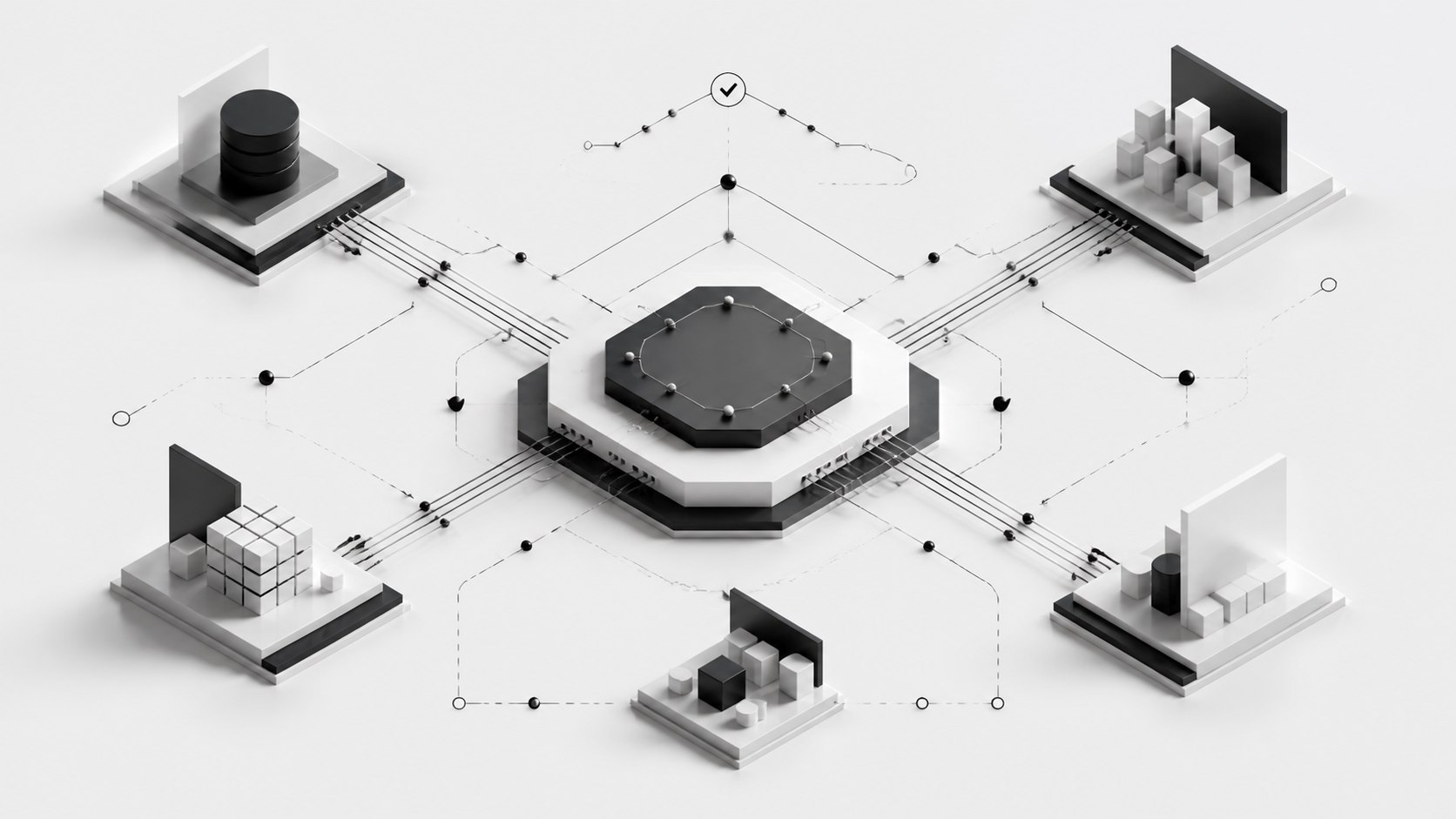
A useful assessment connects technical findings to business impact. It traces the most important user journeys, reviews the deployment path, maps external services, checks data integrity and identifies security or reliability risks. The output should be a prioritized recovery plan—not a long list of isolated code complaints.
- Confirm that the application can be built and deployed repeatably.
- Map authentication, billing, permissions and other critical flows.
- Identify fragile dependencies, missing environment settings and hidden manual steps.
- Separate launch blockers from improvements that can wait.
- Estimate whether targeted repair or selective replacement is the safer path.
Stabilize one production baseline
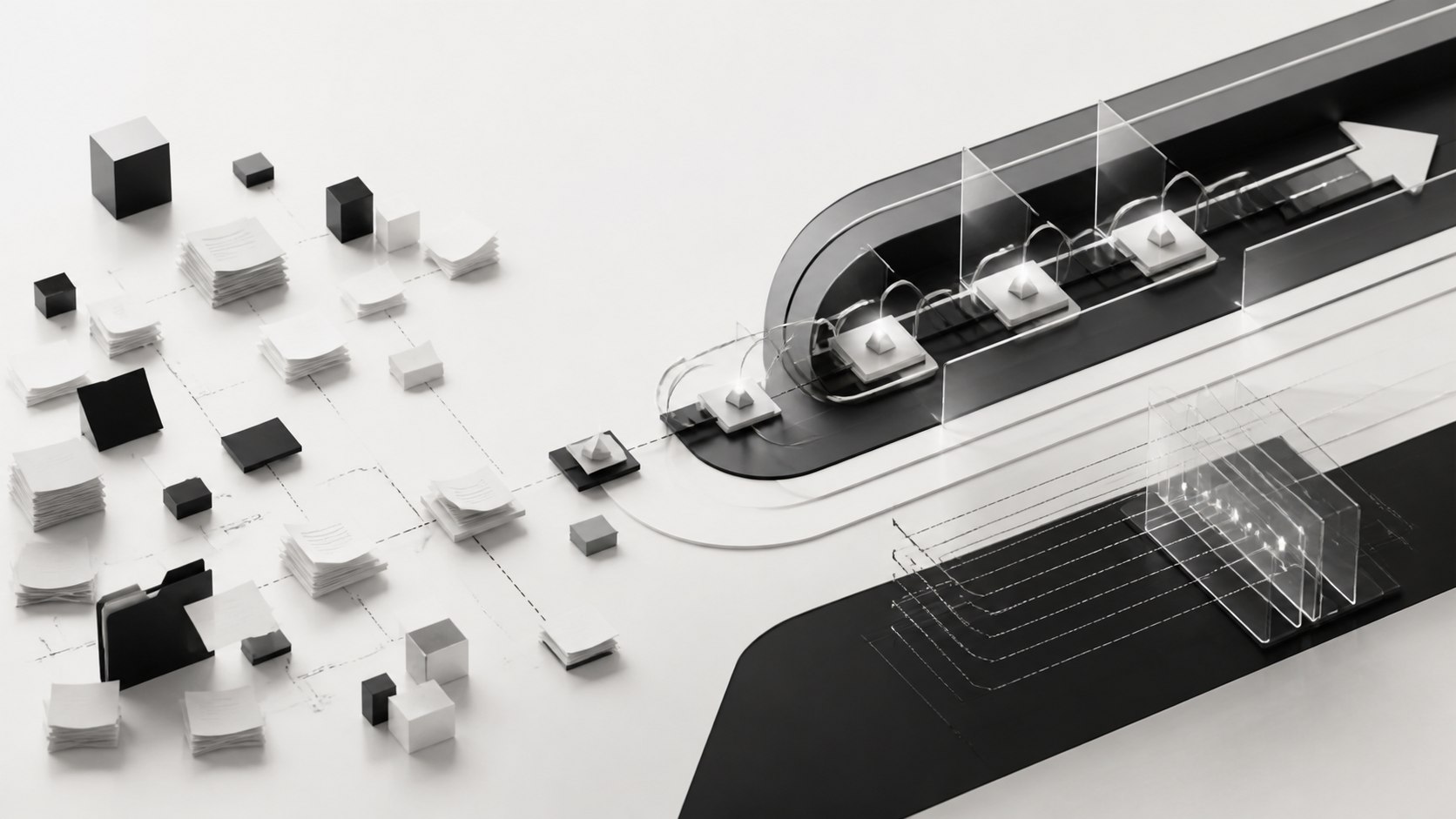
The rescue phase should reduce change, not add more ambition. Freeze low-value features, fix the core journey, add observability around failures and create a small set of tests for the flows that protect revenue or data. Documentation should explain how to run, deploy and recover the system so knowledge is no longer trapped in one person.
A production baseline does not mean the product is perfect. It means the team can deploy it, understand failures and make the next change without gambling. Once that baseline exists, the roadmap can return to customer value instead of emergency repair.
When a rewrite is actually justified
A rewrite may be reasonable when the current platform cannot meet a hard security, regulatory or architectural constraint, or when the cost of every meaningful change exceeds replacement. Even then, the safest approach is usually incremental: keep the current product operating while replacing bounded capabilities behind stable interfaces.
The decision should be supported by evidence from the assessment. “The code is messy” is not enough. A rewrite needs a clear migration path, preserved data, measurable exit criteria and ownership for running both systems during the transition.
Frequently asked questions
Questions about saas rescue
How long does a SaaS rescue assessment take?
A focused assessment commonly takes several days to two weeks, depending on the codebase, integrations and access to the people who understand the product. Its purpose is to reduce uncertainty before committing to a larger recovery plan.
Should an unfinished SaaS product be rewritten?
Not automatically. Repairing working parts and replacing only unsafe boundaries is often faster and less risky. A rewrite is justified only when evidence shows the current foundation cannot meet essential constraints.
What should be fixed first?
Prioritize security, data integrity, deployment reliability and the primary user journey. Cosmetic improvements and secondary features should wait until the product has a dependable production baseline.