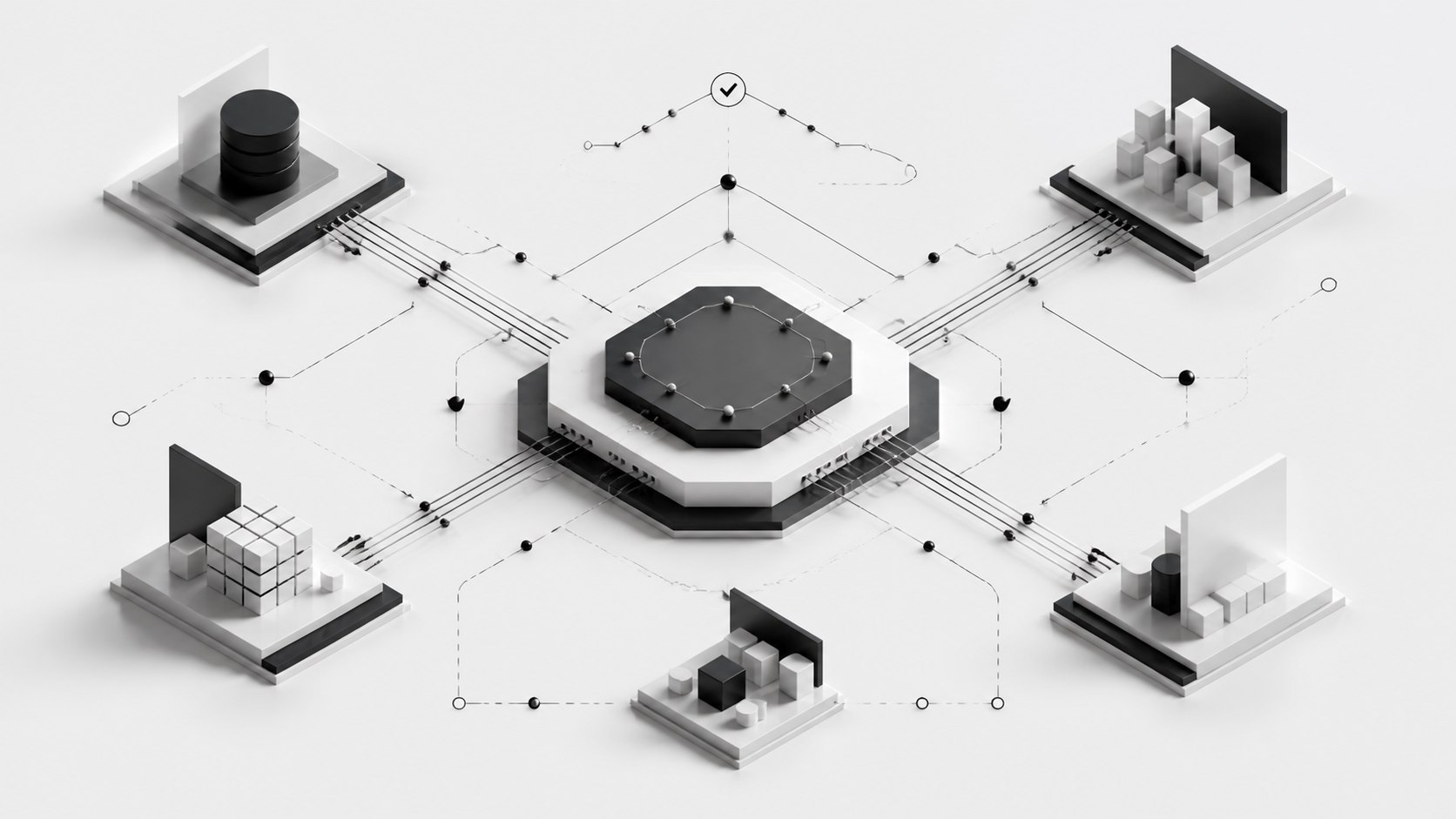
How to Connect CRM, Payments and Business Messaging
A reliable architecture for synchronizing customer records, payment events and business conversations without losing operational control.

OrScale Editorial Team
Product engineering · AI · Automation
Decide which system owns each fact
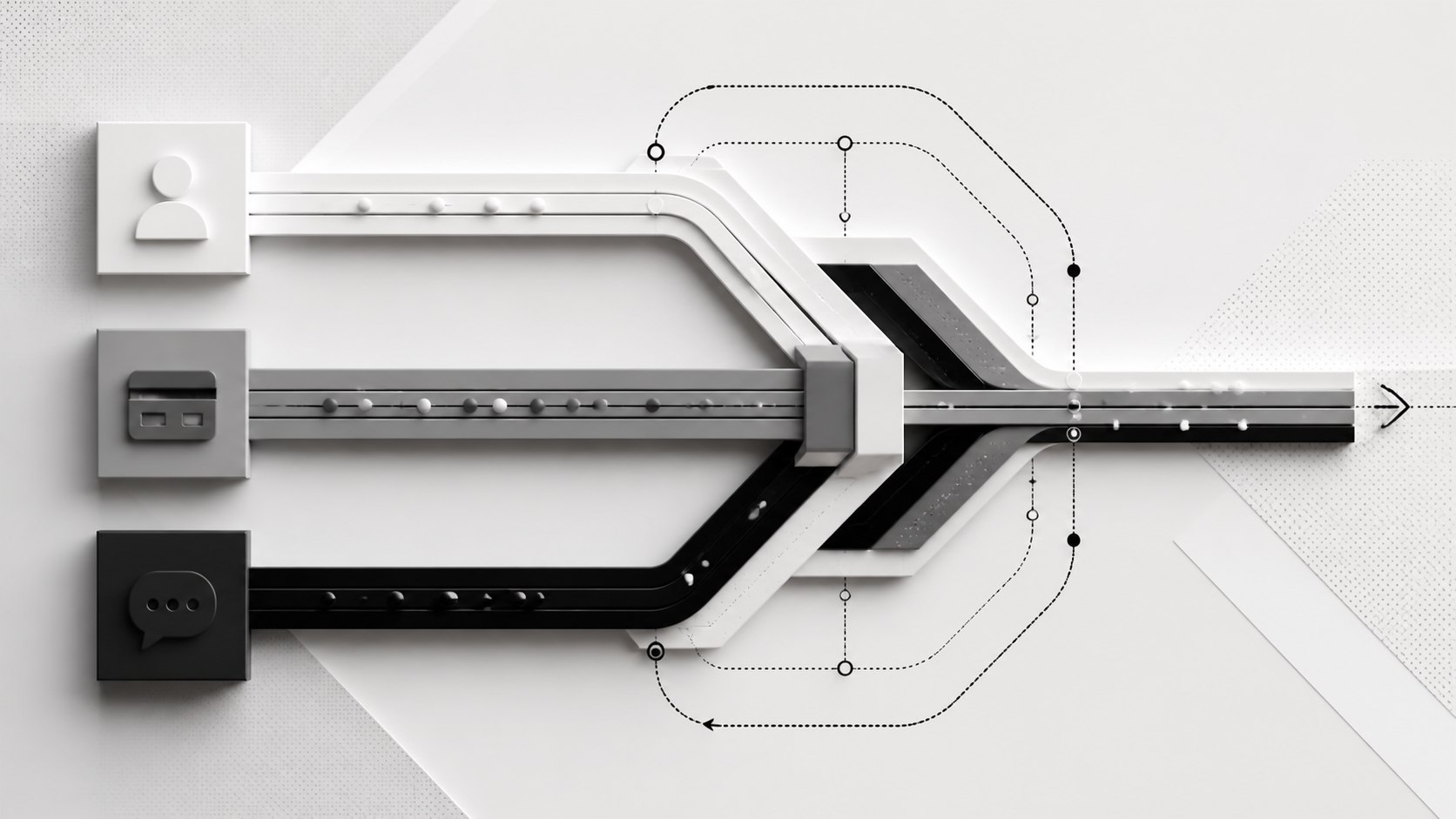
Integration fails when every platform is treated as the source of truth. Define ownership explicitly: the CRM may own sales status, the payment provider owns transaction confirmation and the product owns account entitlement. Other systems receive synchronized copies for their specific job.
Customer identity also needs a stable internal key. Email addresses and phone numbers can change or be shared. Store the external identifier for each connected platform and map it to one internal customer record.
Model events as business transitions
A payment webhook should not immediately trigger a chain of untracked side effects. Record the event, validate it, deduplicate it and translate it into a business transition such as “subscription activated.” Downstream actions—updating the CRM or sending a message—can then run independently with their own status.
- Verify webhook signatures and retain original event identifiers.
- Use idempotency keys for payments and outbound messages.
- Separate customer consent from technical contact availability.
- Store message templates and versions used for each conversation.
- Create a review queue for records that cannot be matched safely.
Keep messaging contextual and permission-aware
Business messaging is most valuable when it reflects a real event and gives the customer a clear next step. Avoid copying every CRM change into a message. Define which transitions deserve communication, which channel is appropriate and how responses return to the responsible team.
Consent, templates and channel policies vary by provider and market. Treat these as product rules, not afterthoughts hidden in integration code.
Give operations one place to investigate
When a customer says they paid but received no access, the team needs a timeline across systems. An internal integration view should show the payment event, product transition, CRM update and message delivery status with correlation IDs and safe retry actions.
The goal is not to force every team into one application. It is to make cross-system workflows observable, recoverable and owned.
Frequently asked questions
Questions about systems integration
Should the CRM be the source of truth for customer data?
It can own sales and relationship data, but payment confirmation and product entitlement should usually remain owned by the systems responsible for those facts. Define ownership field by field.
Are webhooks enough to keep systems synchronized?
Webhooks provide timely updates but can be delayed, duplicated or missed. Add durable event storage and scheduled reconciliation for critical records.
How do you avoid duplicate customer messages?
Use a stable idempotency key based on the business event and message purpose. Store the send attempt and provider result before allowing a retry.